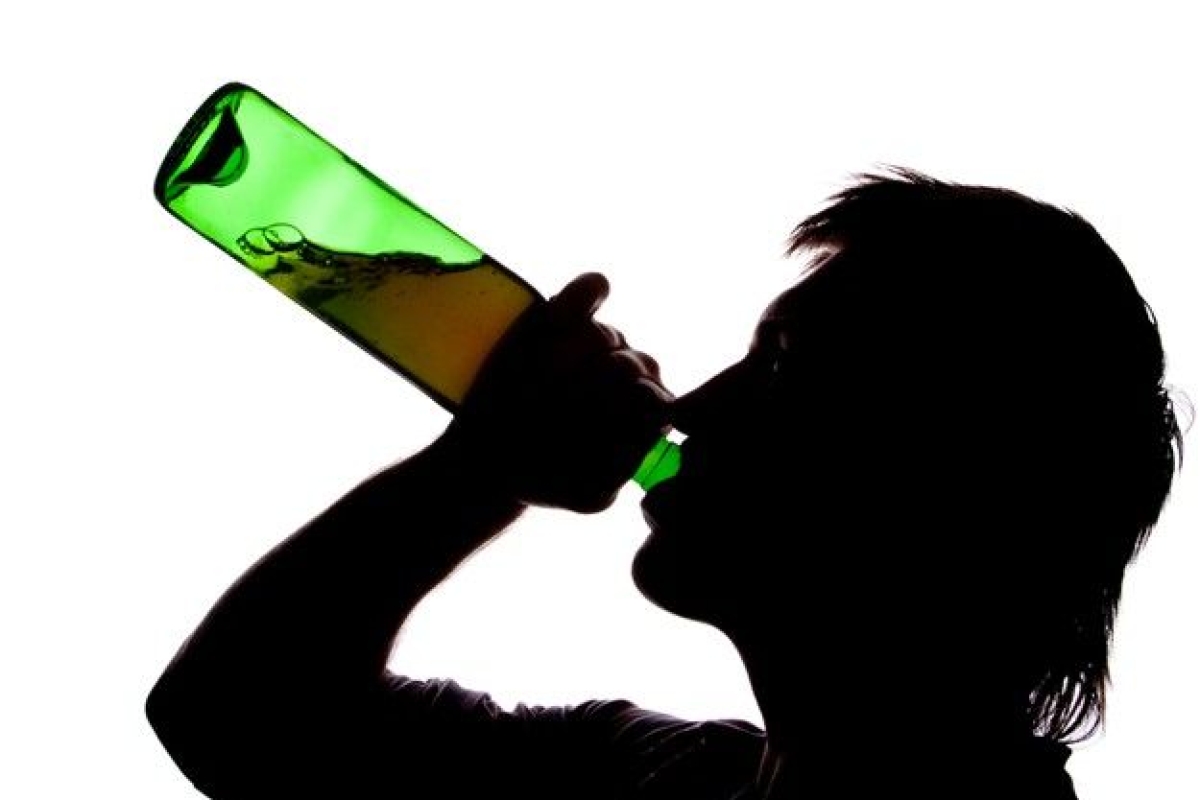
In a compelling opinion published in Frontiers in Public Health on July 24, top oncologists from the All India Institute of Medical Sciences (AIIMS), New Delhi, have called for strong, visible cancer warning labels on all alcohol products in India, similar to those mandated for tobacco products.
The doctors argue that alcohol is a known carcinogen, yet unlike tobacco, public awareness regarding its cancer-causing risks remains significantly low—especially among youth and in low- and middle-income countries (LMICs) like India.
Alcohol Is a Proven Carcinogen—Why No Labels Yet?
The article titled “Expanding behavioural interventions through cancer warning labels in India: from cigarette packs to alcohol bottles” was authored by Dr. Abhishek Shankar, Dr. Vaibhav Sahni, and Dr. Deepak Saini of AIIMS' Dr B.R. Ambedkar Institute Rotary Cancer Hospital.
They emphasize that:
“Alcohol contributes directly to the risk of at least seven types of cancer, and this effect exists regardless of gender or quantity consumed. There is no safe level of alcohol consumption when it comes to cancer risk.”
The advisory references the U.S. Surgeon General's 2025 warning linking alcohol consumption with cancers of the colon, breast, liver, throat, oral cavity, and larynx, among others.
The Alarming Numbers: Cancer in India
Youth and Alcohol: A Deadly Mix
The researchers highlight that adolescence and early adulthood are the most vulnerable periods for alcohol initiation, influenced heavily by social acceptance and poor education on its risks.
“We believe placing visible, factual warning labels on alcohol products—especially targeting young and first-time users—can prevent future cancer cases and reduce long-term health burdens,” the doctors note.
They propose using both “loss-framed” messages (focusing on harm, like death or disease) and “gain-framed” messages (benefits of quitting), which can complement each other for greater impact.
Tobacco Lessons: India Can Lead Again
India has been globally praised for its tobacco control measures, including:
The Global Adult Tobacco Survey (2016–17) noted a 16% increase in quit intentions directly linked to health warnings on packs.
“We suggest expanding this tobacco-label success model to alcohol. These labels must mention the types of cancers caused by alcohol and the fact that no quantity is safe,” the AIIMS doctors recommend.
The Deadly Duo: Alcohol + Tobacco = Multiplicative Risk
The article also warns of the synergistic effect of alcohol and tobacco when consumed together. The combined use greatly increases the risk of oral and throat cancers, and leads to higher addiction and lower quit rates.
A 2020 NCI Workshop concluded that dual use should not be addressed in silos but tackled collectively, especially via labeling.
Why Are Labels Still Missing?
Despite overwhelming evidence, alcohol products in India still do not carry cancer warnings, and are often marketed through surrogate advertising using soft drinks, soda, and music festivals.
The researchers argue that public health takes a backseat to commercial interests in this context, calling on the government to intervene decisively.
“As with tobacco, industry pushback is expected, but the government must prioritize lives over profits,” they added.
Global Comparisons
Several countries including Ireland, Australia, and South Africa have proposed or piloted cancer warnings on alcohol labels. However, only a few have fully implemented them.
India, as a global health leader in tobacco control, is uniquely positioned to:
Recommendations by AIIMS Researchers:
Conclusion:
As cancer cases in India surge, public health experts are urging the government not to repeat past mistakes. AIIMS researchers warn that a silent epidemic is brewing—and without clear labeling, millions remain unaware of the cancer in their glass.
“We have the tools, data, and public health framework. All we need now is the political will to act,” they conclude.